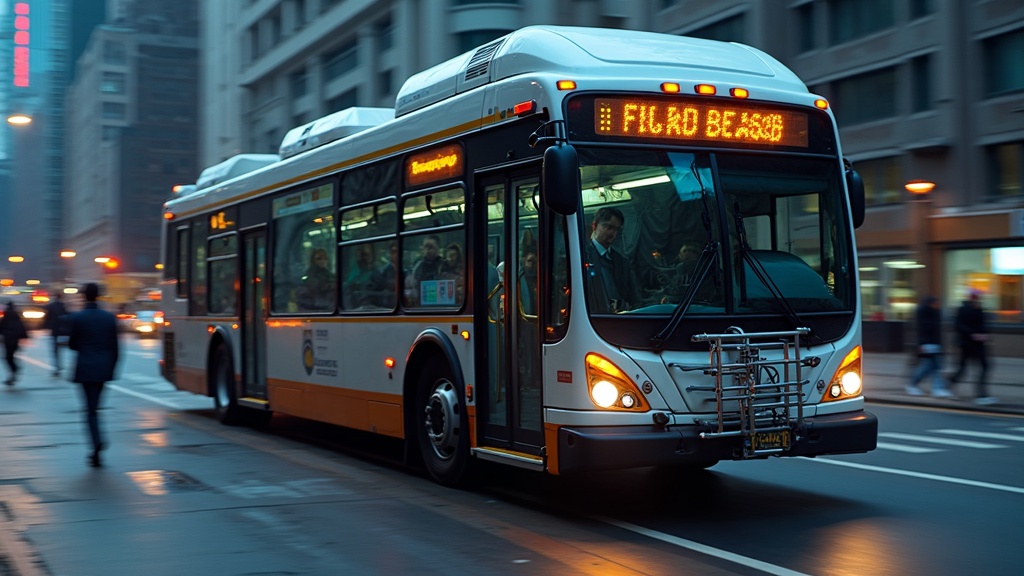
The Port Authority Bus Terminal in Midtown Manhattan is the world’s busiest bus terminal, serving over 65 million passengers annually. As this critical infrastructure approaches 75 years of age, a massive $10 billion replacement project is underway to modernize the facility and meet growing demand. This article explores the scope of the current terminal, the details of the new project, and what commuters can expect.
Table of Contents
- The Aging Hub: Understanding the Current Port Authority Bus Terminal
- The $10 Billion Solution: The New Midtown Bus Terminal Project
- Navigating Construction: What Commuters Should Expect
- A 21st Century Transit Hub: Design and Community Benefits
- Frequently Asked Questions
- Comparison: Old vs. New Terminal Features
- Practical Tips for Bus Commuters
- Key Takeaways
- Useful Resources
Article Snapshot: The Port Authority Bus Terminal is the busiest bus terminal globally, but its age and capacity issues necessitate a $10 billion replacement. The new Midtown Bus Terminal aims to modernize infrastructure, improve commuter experience, and add public green space, with construction expected to create thousands of jobs and increase capacity for future demand.
Port Authority Bus Term in Context
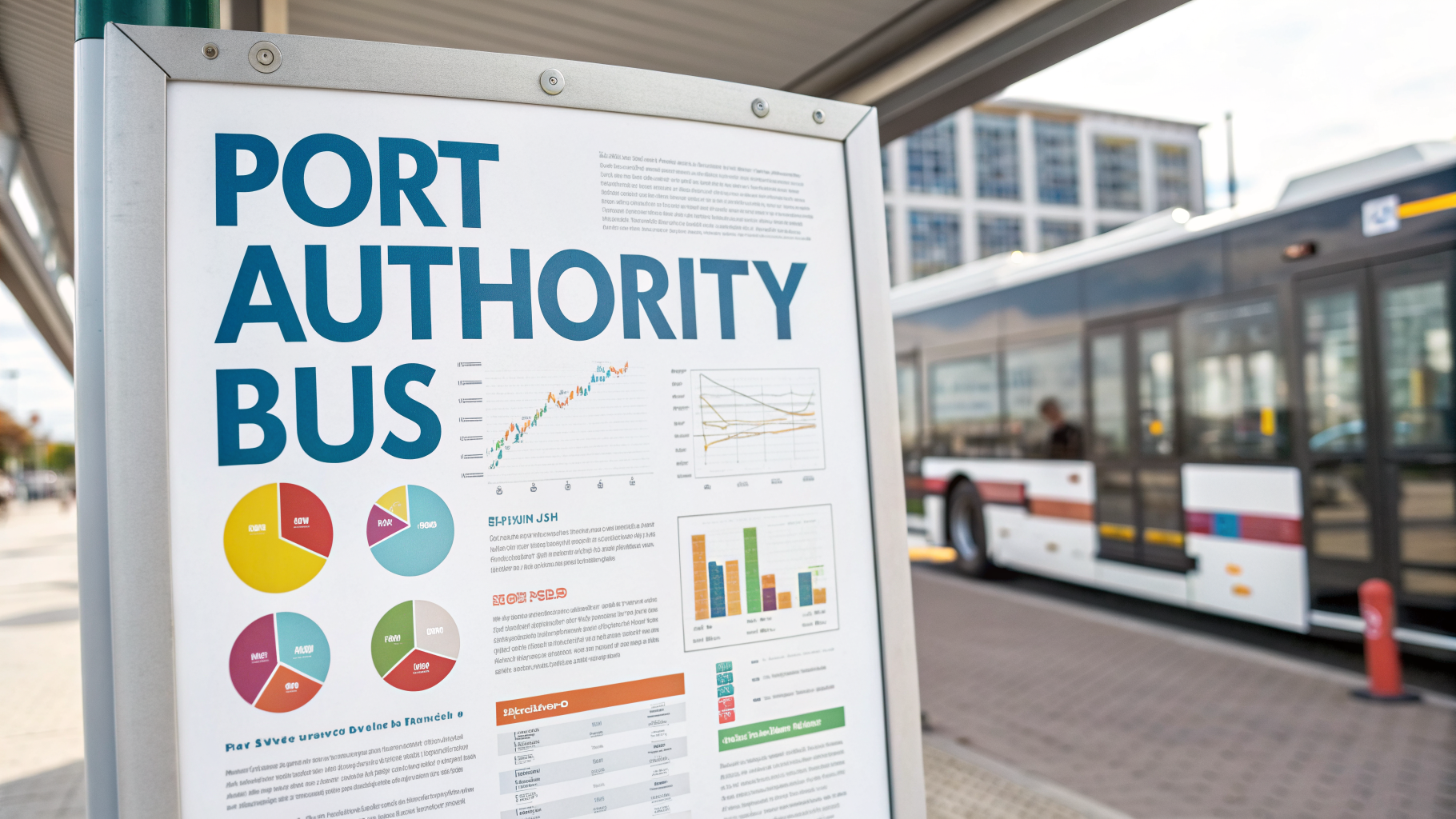
- Serves approximately 225,000 passengers and 8,000 buses on an average weekday (Port Authority of New York and New Jersey, 2024)[1]
- The terminal is approximately 75 years old and is being replaced by a $10 billion project (Port Authority of New York and New Jersey, 2024)[2]
- Demand for bus travel through the corridor is projected to increase by up to 30 percent by 2040 (Regional Plan Association, 2024)[3]
The Aging Hub: Understanding the Current Port Authority Bus Terminal
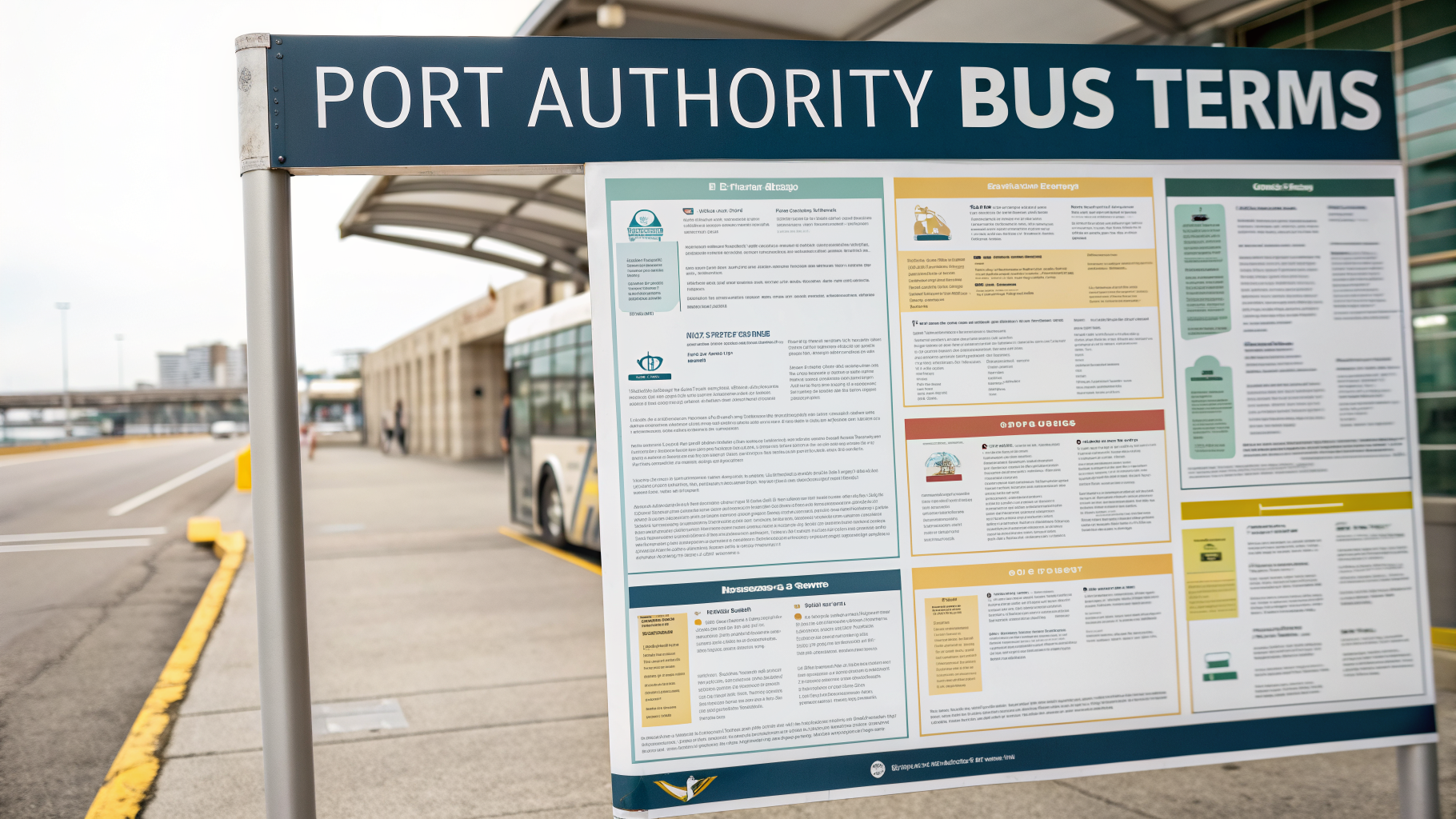
The Port Authority Bus Terminal is a critical piece of transportation infrastructure for the New York metropolitan region. Opened in 1950, this facility has become the world’s busiest bus terminal, handling an immense volume of traffic that connects New Jersey and other states to Midtown Manhattan. The terminal serves approximately 225,000 passengers on an average weekday, with about 8,000 buses moving through its gates daily (Port Authority of New York and New Jersey, 2024)[1]. This volume of traffic makes it a lifeline for commuters, as noted by Rachael Fauss, Senior Policy Advisor at Reinvent Albany, who stated that the terminal “is a lifeline for New Jersey commuters, but it has been allowed to deteriorate for decades and needs to be completely rebuilt, not just patched”[4].
The terminal’s age, approximately 75 years, has led to significant functional obsolescence. The infrastructure struggles to keep pace with modern demands, leading to congestion, delays, and a less-than-ideal experience for passengers. More than 65 million passengers use the facility each year (Port Authority of New York and New Jersey, 2024)[1], and the system is strained. New Jersey Transit operates more than 200 bus routes that serve the terminal (New Jersey Transit, 2024)[5], highlighting the complexity of the operations that must be coordinated daily. The sheer scale of the operation underscores why the need for a new terminal is so urgent. The current facility is no longer capable of efficiently handling the approximately 260,000 weekday passenger trips that cross the Hudson River via commuter buses using the terminal and the Lincoln Tunnel corridor (Regional Plan Association, 2024)[3].
The $10 Billion Solution: The New Midtown Bus Terminal Project
To address the shortcomings of the existing facility, the Port Authority of New York and New Jersey has authorized a massive replacement project. The new Midtown Bus Terminal is expected to cost approximately $10 billion (Port Authority of New York and New Jersey, 2024)[2], making it one of the most significant transit infrastructure projects in the United States. Rick Cotton, Executive Director of the Port Authority, described the project’s ambition, stating, “The Midtown Bus Terminal is the world’s busiest bus terminal, and this project will replace an aging, functionally obsolete facility with a modern, efficient, and sustainable 21st century transit hub”[2]. The project is not just about replacing a building; it’s about creating a new standard for bus transit.
The new terminal will be designed to accommodate future growth. The Port Authority estimates that demand for bus travel through the Midtown Bus Terminal corridor will increase by up to 30 percent by 2040 (Regional Plan Association, 2024)[3]. This projection makes the investment in a larger, more efficient facility essential. Governor Phil Murphy of New Jersey, who also chairs the Port Authority Board of Commissioners, emphasized the economic importance of the project, stating, “A new Port Authority Bus Terminal is essential to the region’s economic future, supporting hundreds of thousands of daily commuters while dramatically improving their quality of life”[6]. The project is expected to support more than 6,000 direct construction jobs (Port Authority of New York and New Jersey, 2024)[2], providing an immediate economic boost alongside long-term benefits. The complexity of the project cannot be overstated. Kevin O’Toole, former Chairman of the Port Authority, remarked, “Replacing the Port Authority Bus Terminal is one of the most complex transit projects in the country, but it is also one of the most critical to keep people moving across the Hudson every day”[7].
Navigating Construction: What Commuters Should Expect
With a project of this magnitude, the construction phase will inevitably cause disruptions for the hundreds of thousands of daily commuters. However, the Port Authority has outlined a phased approach to minimize the impact. The plan involves building the new terminal in stages, allowing the existing facility to remain operational for as long as possible. This strategy is crucial for maintaining the flow of the approximately 225,000 daily passengers and 8,000 buses that rely on the terminal. The Port Authority’s transit infrastructure planning resources offer insights into how large-scale projects manage such complex logistical challenges.
Commuters should anticipate changes to bus gates, pedestrian pathways, and street traffic patterns over the coming years. The Port Authority has committed to maintaining clear communication about these changes through its website and public announcements. A key element of the plan is to ensure that the core function of the terminal – moving people across the Hudson River – is not severely compromised. The project will also involve significant work on the surrounding street network and the Lincoln Tunnel approach, which could lead to increased travel times. For those looking for alternative travel options, understanding the commuter rail and bus options available in the region can be helpful during the construction period. The Port Authority is also leveraging digital tools to provide real-time updates to passengers, a practice that is becoming standard in modern urban transit management.
A 21st Century Transit Hub: Design and Community Benefits
The new Midtown Bus Terminal is designed to be more than just a bus station; it is being envisioned as a modern, sustainable transit hub that integrates with the surrounding community. One of the most notable features of the project is the addition of approximately 3.5 acres of new public green space on decks above the bus ramps (Port Authority of New York and New Jersey, 2024)[2]. This green space will provide a public amenity for the neighborhood, helping to mitigate the urban heat island effect and offering a place for recreation and relaxation. This approach reflects a broader trend in infrastructure development where projects are designed to deliver multiple benefits beyond their primary function. For example, a study of urban green infrastructure benefits shows how such additions improve community well-being.
The new terminal will also feature modern amenities for passengers, including improved waiting areas, better retail options, and enhanced accessibility for people with disabilities. The design prioritizes efficient passenger flow, with wider corridors and clearer signage. The project also aims to improve the connection between the bus terminal and other modes of transit, including the subway and commuter rail. The focus on sustainability is a core component, with the terminal expected to meet high environmental standards. The integration of public green space and modern design elements represents a significant upgrade from the current facility. Tom Wright, President & CEO of the Regional Plan Association, highlighted the importance of this investment, stating, “Investing in a new Port Authority Bus Terminal is as important to the region as any rail project, because bus commuters make up a huge share of the daily trans-Hudson travel market”[3].
Important Questions About Port Authority Bus Term
Why is the Port Authority Bus Terminal being replaced?
The current terminal is approximately 75 years old and is functionally obsolete. It cannot efficiently handle the current volume of traffic – about 225,000 passengers and 8,000 buses daily – let alone the projected 30 percent increase in demand by 2040. The facility suffers from congestion, outdated infrastructure, and poor passenger amenities. A complete replacement, rather than a renovation, is necessary to create a modern, efficient, and sustainable transit hub for the 21st century.
How much will the new Midtown Bus Terminal cost and who is paying for it?
The new Midtown Bus Terminal project is expected to cost approximately $10 billion. The funding will come from a combination of sources, including the Port Authority of New York and New Jersey’s own capital budget, federal grants, and potentially state contributions. The Port Authority is a bi-state agency that generates revenue from its various transportation facilities, including bridges, tunnels, and airports, which helps fund major capital projects like this one.
Will the terminal remain open during construction?
Yes, the existing Port Authority Bus Terminal is expected to remain operational throughout most of the construction period. The project will be built in phases, with the new terminal being constructed adjacent to the current site. This phased approach is designed to minimize disruption to the millions of passengers who rely on the terminal each year. While there will be changes to bus gates and pedestrian access, the Port Authority has committed to maintaining service continuity.
What new features will the replacement terminal include?
The new terminal will be a modern, sustainable transit hub. Key features include approximately 3.5 acres of new public green space on decks above the bus ramps, improved passenger waiting areas, better retail and dining options, enhanced accessibility, and a more efficient design for bus operations. The terminal is also designed to better integrate with other transit modes, such as the subway and commuter rail, creating a seamless travel experience for passengers.
Comparison: Old vs. New Terminal Features
The contrast between the existing Port Authority Bus Terminal and the planned new Midtown Bus Terminal is stark. The new facility is designed to address every major shortcoming of its predecessor, from capacity and efficiency to passenger comfort and community integration. The following table highlights the key differences between the two facilities.
| Feature | Existing Terminal | New Terminal (Planned) |
|---|---|---|
| Age | ~75 years old (functionally obsolete) | New, modern design |
| Daily Capacity | 225,000 passengers, 8,000 buses | Designed for future growth (up to 30% more demand) |
| Public Space | Minimal | ~3.5 acres of public green space |
| Sustainability | Outdated systems | High environmental standards, sustainable design |
| Project Cost | N/A | ~$10 billion |
Practical Tips for Bus Commuters
For the millions of passengers who use the Port Authority Bus Terminal, navigating the upcoming construction and daily commute requires some preparation. First, always check for real-time updates on bus gate assignments and terminal conditions before you travel. The Port Authority and NJ Transit provide mobile apps and websites with this information. Second, consider alternative travel times. If your schedule allows, traveling during off-peak hours can significantly reduce wait times and crowding. The morning and evening rush hours are the most congested, with the terminal handling its peak volume of buses and passengers.
Third, familiarize yourself with the terminal’s layout and the location of your bus gate. Even with construction, the terminal has information kiosks and digital signs to help you find your way. If you are a regular commuter, exploring backup routes, such as using NJ Transit rail or PATH trains, can provide flexibility if bus service is disrupted. Finally, be patient and allow extra time for your journey. Large-scale infrastructure projects like the new Midtown Bus Terminal are ultimately designed to improve your commute, but the construction phase will require some adjustments. Staying informed through official channels is the best way to minimize frustration.
Key Takeaways
The Port Authority Bus Terminal is at a pivotal moment. The existing facility, while still the world’s busiest, is aging and struggling to meet modern demands. The $10 billion replacement project represents a historic investment in the region’s transit future. It promises not only a more efficient and comfortable experience for the 225,000 daily passengers but also new public green space and thousands of construction jobs. As the project moves forward, staying informed will be key for commuters. For more in-depth analysis and updates on major transit projects, explore the resources available on superlewisai.
Useful Resources
- Port Authority of New York and New Jersey. Port Authority Bus Terminal Overview.
https://www.panynj.gov/bus-terminals/en/port-authority.html - Port Authority of New York and New Jersey. Port Authority Board Authorizes Major Next Steps For New Midtown Bus Terminal. 2024.
https://www.panynj.gov/corporate/en/press-room/press-release-archive/2024-press-releases/port-authority-board-authorizes-major-next-steps-for-new-midtown-bus-terminal.html - Regional Plan Association. Trans-Hudson Bus Demand and Midtown Bus Terminal. 2024.
https://rpa.org/latest/research/trans-hudson-bus-demand-and-midtown-bus-terminal - Gothamist. As Port Authority Plans New Midtown Bus Terminal, Advocates Urge Transparency. 2025.
https://gothamist.com/news/as-port-authority-plans-new-midtown-bus-terminal-advocates-urge-transparency - New Jersey Transit. Port Authority Bus Terminal Station Information. 2024.
https://www.njtransit.com/station/port-authority-bus-terminal - Port Authority of New York and New Jersey. Port Authority Board Advances Procurement For New Midtown Bus Terminal. 2025.
https://www.panynj.gov/corporate/en/press-room/press-release-archive/2025-press-releases/port-authority-board-advances-procurement-for-new-midtown-bus-terminal.html - Port Authority of New York and New Jersey. Port Authority Issues Request For Proposals For New Midtown Bus Terminal Design-Build. 2024.
https://www.panynj.gov/corporate/en/press-room/press-release-archive/2024-press-releases/port-authority-issues-rfp-for-new-midtown-bus-terminal-design-build.html
For more about Why ai training preparation matters long term success, see Why Ai Training Preparation Matters Long Term Success.