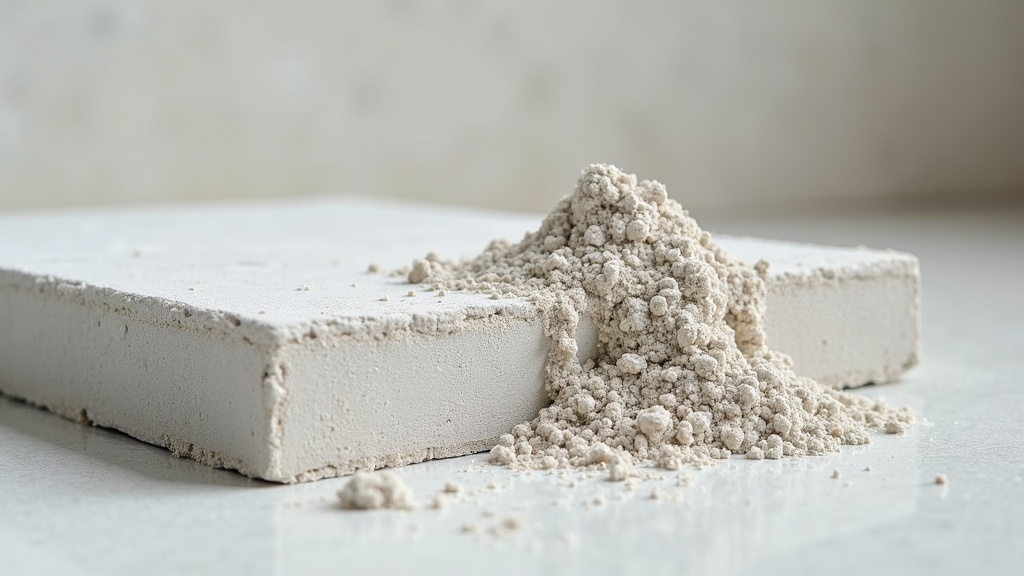
Discover how a proper concrete grout mix ensures structural integrity in mining and tunneling projects. Learn about mix design, applications, and best practices for achieving optimal performance in demanding environments.
Table of Contents
- What Is Concrete Grout Mix?
- Key Properties of Concrete Grout Mix
- Applications in Mining and Tunneling
- Mix Design and Optimization
- Frequently Asked Questions
- Comparison of Grout Types
- Practical Tips for Contractors
- Key Takeaways
- Further Reading
Article Snapshot: Concrete grout mix is a cement-based fluid material used to fill voids, anchor structures, and stabilize ground in mining and tunneling. This guide covers mix design, properties, applications, and optimization strategies for durable, high-strength results.
By the Numbers
- The cementitious grouts market was valued at USD 3.8 billion in 2024, reflecting the scale of demand for cement-based grout and concrete grout mixes across construction, mining, infrastructure, marine, industrial and geotechnical applications (Global Market Insights, 2024)[1].
- Construction applications, including structural concrete grouting and base plate grouting, accounted for 38% of the cementitious grouts market and generated USD 1.2 billion in 2024 (Global Market Insights, 2024)[1].
- The cementitious grouts market is projected to grow from USD 3.8 billion in 2024 to USD 6.4 billion by 2034, at a CAGR of 5.5% (Global Market Insights, 2025)[1].
- Asia-Pacific led the global cementitious grout market with a 40.35% share in 2025, driven by large-scale rail, highway and energy infrastructure programs that heavily utilize cement-based concrete grout mixes (Mordor Intelligence, 2025)[2].
What Is Concrete Grout Mix?
Concrete grout mix is a flowable, cement-based material designed to fill voids, transfer loads, and provide structural support in construction, mining, and tunneling projects. Unlike standard concrete, it has a higher water-to-cement ratio and finer aggregates, allowing it to penetrate tight spaces and bond effectively with existing substrates. A concrete grout mix typically consists of Portland cement, fine sand, water, and chemical admixtures such as superplasticizers or retarders to control setting time and workability.
In the mining and tunneling industry, concrete grout mix is critical for ground stabilization, rock bolting, and backfilling. The material must balance flowability with adequate compressive strength to ensure it can be pumped into narrow fissures while still providing the load-bearing capacity required for structural integrity. As Professor Neville G. W. Cook of the University of California, Berkeley, notes, “For structural applications, a concrete grout mix must balance flowability with adequate compressive strength; lowering the water–cement ratio and using chemical admixtures is the most effective way to achieve that balance in practice” (2023)[3].
The selection of a concrete grout mix depends on project-specific factors such as ground conditions, required strength, and placement method. Contractors often turn to specialized equipment, such as those offered by colloidal grout mixing equipment, to achieve consistent, high-quality mixes that meet stringent specifications.
Key Properties of Concrete Grout Mix
Flowability and Workability
Flowability is the most critical property of a concrete grout mix, as it determines how easily the material can be pumped and placed. A mix with high flowability can fill intricate voids and reach deep into rock fractures without segregation. Superplasticizers are commonly used to improve flowability without increasing water content, which would otherwise weaken the final product. Dr. Ahmed Khalil, Senior Materials Scientist at the National Center for Construction Materials Research, explains: “In high-performance concrete grout mixes, the use of superplasticizers allows engineers to maintain low water–cement ratios while achieving the workability needed for deep or congested placements, which is critical for durable repairs and anchoring applications” (2024)[3].
Compressive Strength
Compressive strength is a key indicator of a concrete grout mix’s ability to support structural loads. The strength depends primarily on the water–cement ratio, cement content, and the quality of aggregates. Optimized mixes can achieve compressive strengths exceeding 40 MPa, making them suitable for heavy-duty applications such as tunnel linings and machine foundations. Dr. Li Zhang of Hohai University reports that “optimized cementitious grout mixes, with carefully controlled water–cement ratios and water-reducing admixtures, can increase stone content by nearly 8% and compressive strength by more than 140% compared with conventional specifications, while still meeting flowability requirements” (2023)[3].
Shrinkage Resistance
Non-shrink concrete grout mixes are formulated to minimize volume changes during curing, ensuring a tight bond between the grout and surrounding surfaces. This is particularly important for base plate grouting and anchor bolt installation, where even minor shrinkage can lead to loss of load transfer. Michael Turner, Director of Construction Materials Research at Archive Market Research, notes: “Contractors are increasingly specifying non-shrink, cement-based grout mixes because they provide consistent bearing under base plates, machine foundations, and precast elements, reducing long-term maintenance and alignment issues” (2025)[4].
Applications in Mining and Tunneling
Ground Stabilization
In mining and tunneling, concrete grout mix is used to stabilize loose rock formations and prevent collapse. The grout is injected under pressure into fractures and voids, where it sets and bonds the rock mass together. This technique, known as grouting, improves the safety and longevity of underground excavations. High-flowability mixes with rapid setting times are often preferred for this application to minimize downtime and ensure immediate ground support.
Rock Bolting and Anchoring
Rock bolts are commonly installed with a concrete grout mix to anchor them securely into the surrounding rock. The grout fills the annular space between the bolt and the borehole, providing a uniform load transfer mechanism. The mix must have low shrinkage and high bond strength to ensure the bolt remains effective over the life of the structure. Using a colloidal grout mixer ensures a homogeneous mix with consistent properties, reducing the risk of weak zones.
Backfilling and Void Filling
After excavation, concrete grout mix is used to backfill voids and abandoned workings to prevent surface subsidence. The grout is often mixed with waste materials such as fly ash or slag to reduce costs and improve environmental sustainability. The mix design must account for the large volumes required and the need for pumpability over long distances.
Tunnel Linings and Segment Grouting
In tunnel construction, concrete grout mix is injected behind precast concrete segments to fill the annular gap between the segments and the surrounding ground. This provides immediate ground support and prevents water ingress. The mix must have controlled setting times to match the tunneling advance rate and must be resistant to washout in water-bearing ground.
Mix Design and Optimization
Water–Cement Ratio
The water–cement ratio is the single most important factor in determining the strength and durability of a concrete grout mix. A lower ratio yields higher strength but reduces flowability, while a higher ratio improves workability at the expense of strength. The optimal ratio typically falls between 0.4 and 0.6, depending on the application. Chemical admixtures such as superplasticizers can reduce the water demand by up to 30%, allowing for a low ratio without sacrificing flowability.
Aggregate Selection
The choice of aggregates affects the density, strength, and pumpability of the concrete grout mix. Fine sand with a maximum particle size of 2–4 mm is commonly used to ensure smooth flow through pumps and hoses. For high-strength applications, well-graded aggregates with a low void content are preferred to maximize packing density and minimize cement paste demand.
Chemical Admixtures
Admixtures are essential for tailoring the concrete grout mix to specific project requirements. Superplasticizers improve flowability, retarders delay setting time in hot weather, and accelerators speed up setting in cold conditions. Anti-washout admixtures are used in water-bearing ground to prevent the grout from being diluted before it sets. The selection and dosage of admixtures should be based on trial mixes and field testing.
For contractors looking to optimize their concrete grout mix, investing in a high-quality mixing system is crucial. Equipment like colloidal grout mixing equipment ensures uniform dispersion of cement and admixtures, leading to consistent performance and reduced waste.
Frequently Asked Questions
What is the difference between concrete grout mix and regular concrete?
Concrete grout mix has a higher water-to-cement ratio and uses finer aggregates than regular concrete, making it more flowable and capable of penetrating narrow voids. Regular concrete is designed for structural elements like slabs and beams, while grout is used for filling gaps, anchoring, and ground stabilization. Grout typically has lower compressive strength than structural concrete but offers superior bond and flow characteristics.
How do I choose the right concrete grout mix for my project?
Selection depends on factors such as ground conditions, required strength, placement method, and environmental conditions. For mining and tunneling, high-flowability mixes with controlled setting times are often preferred. Consult with a materials engineer and conduct trial mixes to verify performance. Equipment like a colloidal grout mixer can help achieve consistent results.
Can concrete grout mix be used in underwater applications?
Yes, special anti-washout concrete grout mixes are formulated for underwater placement. These mixes contain polymers or other additives that prevent the cement from being washed away before it sets. They are commonly used in marine construction, dam repair, and tunnel grouting in water-bearing ground. Proper placement techniques, such as tremie pipes, are essential for success.
What is the typical curing time for concrete grout mix?
Curing time varies based on mix design, temperature, and humidity. Most concrete grout mixes achieve initial set within 2–4 hours and reach 70% of ultimate strength within 7 days. Full strength development can take 28 days. Accelerators can reduce setting time, while retarders extend it. Always follow manufacturer guidelines and conduct field tests to verify performance.
Comparison of Grout Types
Different grout types serve specific purposes in construction and mining. The table below compares common options based on key properties.
| Property | Cementitious Grout (Standard) | Chemical Grout (Polyurethane) | Epoxy Grout |
|---|---|---|---|
| Compressive Strength | 20–40 MPa | Low (flexible) | 50–80 MPa |
| Flowability | High | Very high | Moderate |
| Setting Time | 2–4 hours | Minutes | 4–8 hours |
| Cost | Low | High | Very high |
| Typical Use | Structural grouting, void filling | Water stop, soil stabilization | Heavy machinery, chemical-resistant areas |
Practical Tips for Contractors
To maximize the performance of your concrete grout mix, follow these actionable recommendations:
- Conduct trial mixes before full-scale application. Test the mix for flowability, setting time, and compressive strength to ensure it meets project specifications. Adjust water–cement ratios and admixture dosages based on results.
- Invest in quality mixing equipment. A colloidal grout mixer produces a homogeneous mix with consistent properties, reducing the risk of weak zones or blockages in the pump. This is especially important for large-scale mining and tunneling projects.
- Control environmental conditions. Extreme temperatures can affect setting time and strength. In hot weather, use chilled water or retarders; in cold weather, use warm water or accelerators. Always protect freshly placed grout from freezing or rapid drying.
- Ensure proper surface preparation. Clean and dampen the substrate before grouting to improve bond strength. Remove all debris, oil, and loose material. For rock surfaces, use high-pressure water or air to clean cracks and fissures.
- Monitor placement pressure and volume. Use pressure gauges and flow meters to ensure the grout fills voids completely without causing hydrofracture. Record injection data for quality assurance and future reference.
Key Takeaways
A well-designed concrete grout mix is essential for the success of mining and tunneling projects. By balancing flowability, strength, and shrinkage resistance, contractors can achieve durable, load-bearing grout that performs reliably in demanding conditions. The growing demand for cement-based grout, driven by infrastructure expansion in regions like Asia-Pacific, underscores the importance of mastering mix design and placement techniques. For further insights, explore our guide on clinical applications of laughter therapy for a different perspective on material science.
Further Reading
- Cementitious Grouts Market, Size, Forecast Report 2025-2034. Global Market Insights.
https://www.gminsights.com/industry-analysis/cementitious-grouts-market - Cementitious Grout Market Size & Share Analysis. Mordor Intelligence.
https://www.mordorintelligence.com/industry-reports/global-cementitious-grout-market - Performance of the Cement Grouting Material and Optimization of the Mix Proportion. PMC.
https://pmc.ncbi.nlm.nih.gov/articles/PMC10608292/ - Cement-Based Grout Unlocking Growth Opportunities: Analysis and Forecast 2025-2033. Archive Market Research.
https://www.archivemarketresearch.com/reports/cement-based-grout-397261