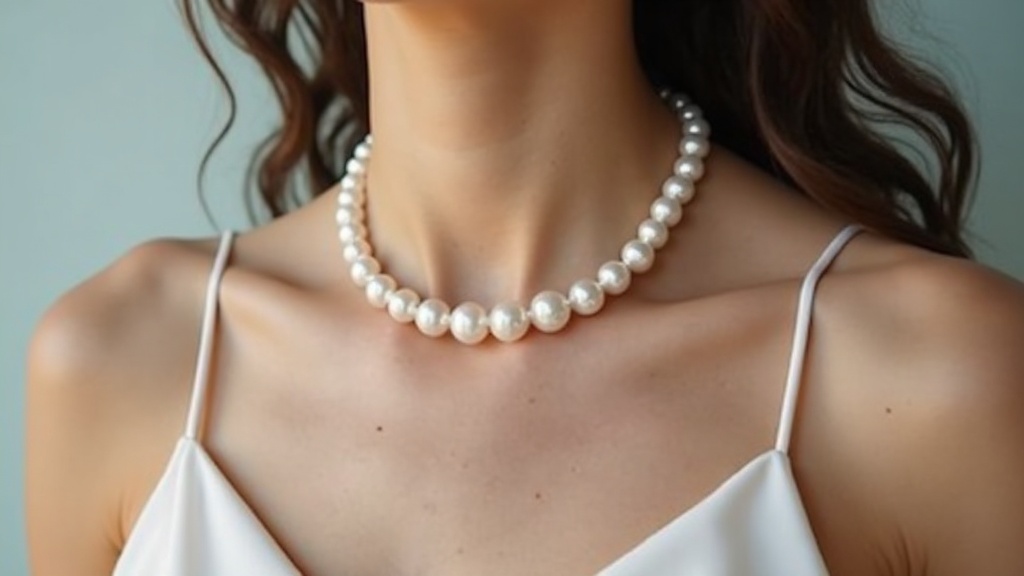
Discover our complete freshwater pearl necklace guide to find the perfect strand. Learn about sizes, luster, lengths, and styling tips for everyday elegance.
Table of Contents
- Article Snapshot
- Freshwater Pearl Necklace Guide in Context
- Introduction
- Understanding Pearl Origins and Culturing
- Evaluating Quality and Grading Factors
- Sizing, Lengths, and Versatility
- Styling and Everyday Wear
- Questions from Our Readers
- Comparison
- Practical Tips
- Before You Go
Article Snapshot
This freshwater pearl necklace guide is a comprehensive resource detailing the selection, evaluation, and styling of cultured freshwater pearl jewelry. This article covers essential quality factors like luster and nacre, standard strand lengths, and practical advice for choosing the perfect piece for any wardrobe.
Freshwater Pearl Necklace Guide in Context
- A 16- to 18-inch strand, known as the princess length, is the most versatile option for everyday wear (Alya Pearl, 2025)[1].
- Pearls measuring 7.5 to 8.0 millimeters represent the most popular size range in the retail market (Pearl Paradise, 2025)[2].
- Seven value factors serve as the core criteria for evaluating necklaces: size, shape, color, luster, surface quality, nacre quality, and matching (Pearl Paradise, 2025)[2].
Introduction
A comprehensive freshwater pearl necklace guide is an essential resource for anyone looking to invest in elegant, timeless jewelry without the exorbitant price tags associated with saltwater varieties. When you begin exploring the world of cultured gems, the sheer variety of shapes, sizes, and colors can feel overwhelming. This guide breaks down the critical elements you need to know before making a purchase. From understanding how these gems are cultured in non-marine environments to evaluating the crucial visual factors that determine their true value, we cover every angle. Whether you are seeking a classic round strand or a unique baroque design, mastering these fundamentals ensures you select a piece that offers both beauty and longevity. Read on to discover how to evaluate luster, choose the perfect length, and style your new jewelry for any occasion.
Understanding Pearl Origins and Culturing
The formation of these beautiful gems begins in distinct non-marine environments that set them apart from their oceanic counterparts. Unlike saltwater varieties, these gems are cultured in ponds, lakes, and rivers, making them the only major type grown primarily outside the ocean (Little Girl’s Pearls, 2025)[3]. This unique cultivation process relies on mussels rather than oysters. As Ashley McNamara, Founder and designer at Little Girl’s Pearls, explains, “Because freshwater pearls are cultured in mussels rather than oysters, they can be produced in larger numbers and a variety of shapes, which is why they dominate the market for affordable pearl necklaces” (Little Girl’s Pearls, 2025)[3].
This biological difference directly impacts the final jewelry piece. A single mussel can produce multiple gems simultaneously, which significantly increases supply and keeps price points accessible for everyday buyers. Although they are typically the smallest of the main pearl types when comparing average sizes among freshwater, Akoya, Tahitian, and South Sea varieties (Blue Nile, 2025)[4], they offer incredible versatility. The biomineralization process occurs when a mollusk coats an irritant with concentric layers of nacre, ultimately creating the lustrous surface prized in these necklaces (Blue Nile, 2025)[4]. Because these gems are composed entirely of solid nacre without a shell bead nucleus, they are exceptionally durable. This solid composition means they can withstand daily wear and tear much better than thinner-coated alternatives, making a freshwater pearl strand guide an invaluable tool for buyers seeking longevity.
Evaluating Quality and Grading Factors
Assessing the true value of these gems requires a careful examination of specific visual and structural characteristics. In pearl grading education, seven value factors are cited as the core criteria for evaluating necklaces: size, shape, color, luster, surface quality, nacre quality, and matching (Pearl Paradise, 2025)[2]. Understanding these metrics is crucial because the industry lacks universal standardization. Jeremy Shepherd, Founder and CEO of Pearl Paradise, notes that “There is no defined, recognized system or standard for grading pearl necklaces, so buyers need to focus on visible quality factors like luster, surface, and matching rather than letter grades alone” (Pearl Paradise, 2025)[2].
Key Metrics in Your Freshwater Pearl Necklace Guide
Among all the grading criteria, luster remains the undisputed champion. In educational materials, luster is highlighted as the single most important visual factor when assessing these necklaces, ranking above size, shape, and color in grading demonstrations (JTV / Pearls 101 education video, 2025)[5]. A high-quality gem will reflect light sharply, giving it a brilliant, mirror-like shine. Robert Emmett, a Graduate Gemologist at Blue Nile, advises that “For a first freshwater pearl necklace, prioritize luster over size – high-luster pearls in the 7- to 8-millimeter range will look more luxurious on the neck than larger but duller pearls” (Blue Nile, 2025)[4].
Surface quality and matching are equally vital when evaluating a complete strand. While minor blemishes are natural and expected, heavily marked surfaces can compromise both the aesthetic appeal and structural integrity. Furthermore, a well-matched strand ensures that the gems share consistent overtones and shapes, creating a harmonious look. By focusing on these tangible qualities rather than arbitrary letter grades, buyers can confidently select pieces that offer genuine beauty and lasting value.
Sizing, Lengths, and Versatility
Selecting the correct dimensions and strand length dramatically influences how the jewelry complements your personal style and wardrobe. Standard strand lengths are commonly grouped into four main categories: 16-inch choker, 17- to 19-inch princess, 20- to 24-inch matinee, and 28- to 36-inch opera or rope (Alya Pearl, 2025)[1]. Each category serves a distinct aesthetic purpose, from the snug, vintage appeal of a choker to the dramatic, elongating effect of an opera strand.
However, one specific range consistently stands out for its universal appeal. A 16- to 18-inch strand, known as the princess length, is identified as the most versatile option for everyday wear in length guidelines (Alya Pearl, 2025)[1]. This length rests perfectly on the collarbone, making it an ideal companion for both casual blouses and formal evening wear. Caitlin Dowe-Sandes, Co-founder and pearl farmer at Alya Pearl, emphasizes this versatility, stating, “If you want one safe choice, pick a 16-inch or 18-inch freshwater pearl necklace in a classic round strand – those lengths flatter almost every neckline and never go out of style” (Alya Pearl, 2025)[1].
When considering the actual size of the individual gems, the 7.5- to 8.0-millimeter range is described as the most popular size for strands in the retail market (Pearl Paradise, 2025)[2]. This specific diameter offers a substantial presence without feeling overly heavy or ostentatious. For those exploring a comprehensive freshwater pearl jewelry guide, understanding how these dimensions interact with your neckline and body type is essential. Choosing the right combination of length and gem size ensures that your accessory enhances your natural features rather than overwhelming them.
Styling and Everyday Wear
Integrating these timeless accessories into your daily routine requires thoughtful styling and proper maintenance to preserve their natural beauty. Freshwater pearl necklaces offer the best value in the market today, with durable nacre, a wide range of natural colors, and price points that make everyday wear practical (Jewelers of America, 2025)[6]. While perfectly round strands are classic, these gems are most often baroque in shape compared with other types, emphasizing their irregular, organic forms in many modern designs (Jewelers of America, 2025)[6].
This organic variety allows for highly personalized styling. For instance, pairing a baroque strand with a simple cashmere sweater creates a striking contrast between rustic texture and refined elegance. If you are looking for something highly personalized, exploring options like custom pet silhouette jewelry designs can add a unique, sentimental touch to your collection. These bespoke pieces blend the classic appeal of cultured gems with modern, individualized charms.
Maintaining the luster of your jewelry is just as important as how you style it. Always put your pearls on after applying cosmetics, perfumes, and hairsprays, as the chemicals in these products can dull the nacre over time. After wearing them, gently wipe the strand with a soft, damp cloth to remove any oils or residue before storing them. Interestingly, the psychological benefits of wearing your favorite jewelry can be profound, much like the clinical applications of laughter therapy, which highlight how positive daily habits improve overall well-being. Treating your jewelry care as a mindful daily ritual ensures your pieces remain radiant for generations.
Questions from Our Readers
How do I clean my strand at home?
Cleaning your jewelry at home is a simple process that requires only a soft, lint-free cloth and lukewarm water. After each wear, gently wipe the gems to remove natural skin oils and environmental dust. If they need a deeper clean, dampen the cloth slightly with water and wipe each gem individually. Never submerge the entire strand in water, as this can weaken the silk or nylon threading and cause it to stretch or break. Avoid using ultrasonic cleaners, steam cleaners, or harsh chemical solutions, as these will permanently damage the delicate nacre surface. Always let the strand air dry completely flat before storing it.
What is the difference between baroque and round shapes?
The primary difference lies in their physical symmetry and formation. Round gems are perfectly spherical, highly sought after for classic, uniform strands, and typically command higher prices due to their rarity. Baroque gems, on the other hand, are irregular and asymmetrical, featuring unique, organic shapes that cannot be replicated. While round shapes offer traditional elegance, baroque shapes provide a modern, artistic flair that appeals to contemporary jewelry lovers. Because baroque forms are much more common in mollusk cultivation, they are generally more affordable. Both shapes possess the same durable nacre composition, meaning your choice ultimately depends on your personal aesthetic preference.
Can I wear this jewelry every day?
Yes, you can absolutely wear this jewelry daily, provided you take a few basic precautions. The solid nacre composition makes these gems remarkably durable and resistant to chipping compared to thinner-coated saltwater alternatives. They are designed to be enjoyed regularly rather than locked away in a safe. However, you should remove your strand before swimming, exercising, or doing household chores. Chlorine, salt water, and excessive sweat can degrade the luster and harm the threading material over time. By putting your jewelry on last when getting dressed and wiping it down after use, you can safely incorporate it into your everyday wardrobe without worrying about premature wear.
How should I store my pearls to prevent damage?
Proper storage is essential to prevent scratching and dehydration. Always store your strand separately from other jewelry, as harder gemstones and metals can easily scratch the soft nacre surface. Use a soft cloth pouch or a dedicated lined jewelry box compartment. Avoid storing them in airtight plastic bags or extremely dry environments, because the nacre needs a slight amount of ambient moisture to prevent cracking and peeling. If you live in a very dry climate, placing a damp cloth nearby in the room can help maintain adequate humidity. Finally, always store the strand flat rather than hanging it, which prevents the threading from stretching out of shape.
Comparison
When building a jewelry collection, understanding how different cultured varieties compare helps buyers make informed decisions based on budget and style. The table below outlines the primary distinctions, serving as a quick reference in this freshwater pearl necklace guide for buyers comparing the four major types available on the market.
| Variety | Typical Size | Primary Shape | Price Point |
|---|---|---|---|
| Freshwater | 7.5-8.0 mm | Baroque to Round | Affordable |
| Akoya | 6.0-8.0 mm | Perfectly Round | Moderate |
| Tahitian | 8.0-14.0 mm | Round to Drop | High |
| South Sea | 10.0-15.0 mm | Round to Baroque | Premium |
Practical Tips
Maximizing the lifespan and beauty of your jewelry involves adopting a few simple, consistent habits. Follow these best practices to ensure your collection remains pristine:
- The Last On, First Off Rule: Always put your pearls on after applying makeup, perfume, and hairspray, and take them off first when you get home to minimize chemical exposure.
- Regular Restringing: Have your strand professionally restrung every one to two years if you wear it frequently, and always check the clasp for secure closure.
- Mindful Layering: When layering with other necklaces, ensure the accompanying chains are smooth and lightweight to prevent them from scratching the delicate nacre surface.
Current trends also favor mixing traditional strands with modern elements. Many designers are incorporating asymmetrical baroque shapes into minimalist gold settings, bridging the gap between vintage elegance and contemporary fashion. For more insights on how technology and research intersect with lifestyle improvements, you can explore our advanced AI insights platform to see how data-driven approaches are shaping modern daily routines. Embracing both classic care methods and modern styling trends ensures your accessories remain relevant and beautiful for years to come.
Before You Go
Selecting the perfect strand is a rewarding experience when you understand the fundamental quality factors, sizing options, and care requirements. This freshwater pearl necklace guide has equipped you with the knowledge to evaluate luster, choose the ideal length, and integrate these timeless gems into your daily wardrobe with confidence. Whether you prefer a classic round princess strand or a unique baroque design, prioritizing visible quality over arbitrary grades ensures a purchase you will cherish. To continue discovering expert advice, lifestyle enhancements, and detailed research, explore more educational resources and articles available on superlewisai.com today.
Learn More
- Freshwater Pearl Necklace Guide: Length, Styles & Meaning. Alya Pearl.
https://alyapearl.com/blogs/the-pearl-guide-1/freshwater-pearl-necklace-guide-length-styles-meaning - Pearl Necklaces: The Expert How-to Guide on Selection. Pearl Paradise.
https://www.pearlparadise.com/pages/pearl-necklaces - Freshwater Pearls: All You Need to Know. Little Girl’s Pearls.
https://littlegirlspearls.com/blogs/articles/freshwater-pearls-all-you-need-to-know - Pearl Gemstone Guide & Buying Tips. Blue Nile.
https://www.bluenile.com/education/pearl - Pearls 101 Education Video. JTV.
https://www.youtube.com/watch?v=SMfCuLhGE_s - Pearl Buying Guide. Jewelers of America.
https://www.jewelers.org/buying-jewelry/jewelry-buying-guides/pearl-buying-guide
For more about Cat lover gift guide, see Cat Lover Gift Guide.