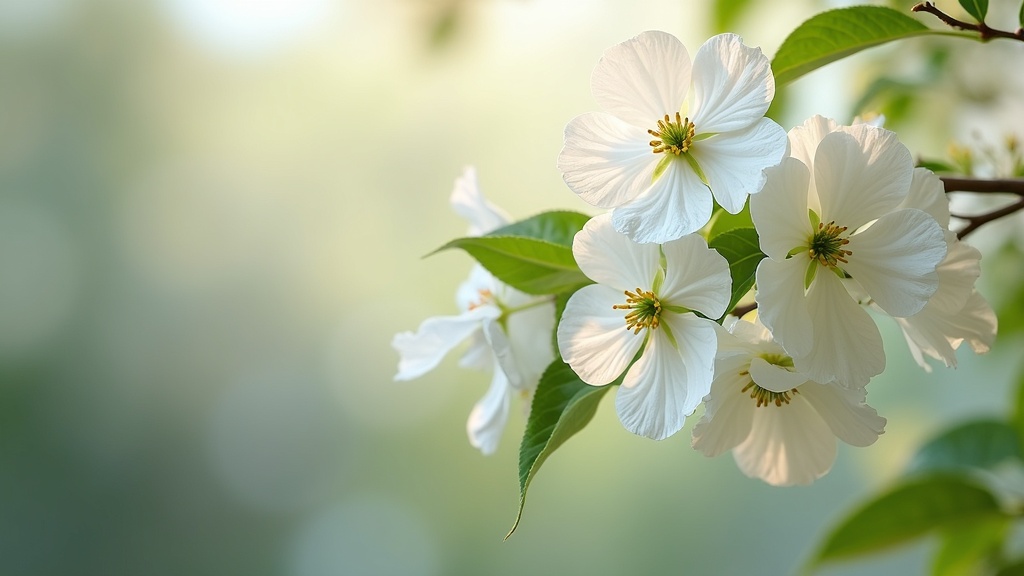
Learn how to grow and care for an ornamental dogwood tree in your home landscape, from planting and pruning to disease prevention and cultivar selection.
Table of Contents
- Summary
- Ornamental Dogwood Tree in Context
- Introduction
- Choosing the Right Ornamental Dogwood Tree for Your Landscape
- Planting and Site Preparation for a Healthy Ornamental Dogwood Tree
- Ongoing Care and Maintenance for Your Ornamental Dogwood Tree
- Common Pests and Diseases Affecting Ornamental Dogwood Trees
- Frequently Asked Questions
- Comparison of Dogwood Species
- Practical Tips for Success
- Key Takeaways
- Further Reading
Quick Summary
An ornamental dogwood tree is a small, deciduous flowering tree prized for its spring blooms, fall color, and graceful form. Native species like Cornus florida thrive in well-drained, slightly acidic soil with morning sun and afternoon shade. Proper site selection, watering, and pruning are essential for a long-lived, trouble-free tree.
Ornamental Dogwood Tree in Context
- Flowering dogwood is recommended for USDA hardiness zones 5-9 (USDA Plant Guide, 2024)[1]
- Best growth occurs in soils with a pH range of 6-7 (USDA Plant Guide, 2024)[1]
- Seeds require 100-130 days of cold stratification to improve germination (USDA Plant Guide, 2024)[1]
- A recent genome assembly identified 14 anthocyanin-related genes in flowering dogwood cultivars (PubMed, 2026)[2]
Introduction
An ornamental dogwood tree is one of the most beloved landscape plants in temperate regions, offering a stunning display of white, pink, or red bracts in spring, followed by bright red berries and vibrant autumn foliage. Native to the eastern United States and parts of Asia, these trees have been cultivated for centuries for their beauty and manageable size, typically reaching 15 to 30 feet at maturity. Whether you are a novice gardener or an experienced landscaper, understanding the specific needs of your dogwood is key to ensuring decades of enjoyment. This guide covers everything from selecting the right species and planting correctly to ongoing care and pest management, drawing on authoritative horticultural sources and the latest research.
Choosing the Right Ornamental Dogwood Tree for Your Landscape
Selecting the appropriate species and cultivar is the first and most important decision when planting an ornamental dogwood tree. The two most popular species are the native flowering dogwood (Cornus florida) and the Asian kousa dogwood (Cornus kousa). Each has distinct characteristics that suit different garden conditions and aesthetic preferences.
Flowering dogwood is native to the eastern United States, while kousa dogwood is native to temperate regions of Asia (New York Botanical Garden, 2024)[3]. Flowering dogwood typically blooms in early spring before its leaves emerge, producing large, showy bracts in white or pink. Kousa dogwood blooms several weeks later, after the leaves have appeared, and its pointed bracts give a star-like appearance. Kousa is also more resistant to anthracnose and powdery mildew, making it a better choice for gardens with poor air circulation.
Consider the mature size of the tree. Anticipate the mature size of your tree and space with a generous clearance of walls and other plants so that air circulation is maintained between plants and buildings to reduce the incidence of mildew and fungal diseases (London, 2024)[3]. Dwarf cultivars like ‘Cherokee Brave’ or ‘Stellar Pink’ are available for smaller spaces.
Planting and Site Preparation for a Healthy Ornamental Dogwood Tree
Proper planting is critical for the long-term health of your ornamental dogwood tree. These trees are understory plants in their native habitats and have specific light and soil requirements that must be replicated in the home landscape.
Though these dogwood trees are native to a lightly shaded understory, research indicates that they will have a more trouble-free life in a home landscape, and have the greatest fruit and flower, if planted in a protected and gently sunny location (London, 2024)[3]. The ideal site receives morning sun and dappled afternoon shade. Avoid planting in full, hot afternoon sun, as leaves will burn on the hottest days (London, 2024)[3].
Flowering dogwood trees grow best in course to medium textured, well-drained soils with a pH range of 6 to 7 (USDA Plant Guide, 2024)[1]. Before planting, test your soil pH and amend with organic matter if necessary. Dig a hole twice as wide as the root ball but no deeper. Place the tree so the root flare is slightly above ground level, backfill with native soil, and water deeply. Apply a 2-3 inch layer of mulch around the base, keeping it away from the trunk to prevent rot.
Ongoing Care and Maintenance for Your Ornamental Dogwood Tree
Once established, an ornamental dogwood tree requires consistent care to thrive and resist pests and diseases. Watering, fertilizing, and pruning are the three pillars of dogwood maintenance.
Water deeply once a week during dry spells, especially in the first two years after planting. Dogwoods have shallow root systems that dry out quickly. A slow, deep soaking is better than frequent light watering. Apply a balanced, slow-release fertilizer formulated for acid-loving plants in early spring, before new growth begins. Avoid high-nitrogen fertilizers, which can promote lush foliage at the expense of flowers and increase susceptibility to disease.
Prune your ornamental dogwood tree in late fall or winter while it is dormant. Remove dead, diseased, or crossing branches to improve air circulation and shape the tree. Avoid heavy pruning in spring, as this can remove flower buds and attract borers. Sanitize your pruning tools between cuts to prevent the spread of fungal pathogens.
Common Pests and Diseases Affecting Ornamental Dogwood Trees
Dogwoods are susceptible to several pests and diseases, but proactive management can keep most problems at bay. The most serious threats include dogwood anthracnose, powdery mildew, and dogwood borers.
Dogwood anthracnose is a fungal disease that causes leaf spots, stem cankers, and branch dieback. It is most severe in cool, wet weather and on stressed trees. Choose resistant cultivars like ‘Appalachian Spring’ and ensure good air circulation by proper spacing. Powdery mildew appears as a white, powdery coating on leaves, especially on trees in shade with poor air movement. Fungicidal sprays can be used preventatively if the disease is known to be prevalent in your area.
Dogwood borers are insects that tunnel into the trunk and branches, causing wilting and dieback. Keep trees healthy and avoid wounding the bark. If borers are detected, remove and destroy infested branches. Scale insects and aphids are less serious but can be controlled with horticultural oil sprays.
Important Questions About Ornamental Dogwood Trees
How fast does an ornamental dogwood tree grow?
An ornamental dogwood tree is a slow to moderate grower, typically adding 1 to 2 feet of height per year under ideal conditions. Growth rate depends on species, soil quality, water availability, and sunlight. Kousa dogwoods are generally slightly faster growing than flowering dogwoods. With proper care, a young tree can reach 10 to 15 feet in 10 years.
When is the best time to plant an ornamental dogwood tree?
The best time to plant an ornamental dogwood tree is in early spring or early fall when temperatures are cool and rainfall is more reliable. Spring planting gives the tree a full growing season to establish roots before winter. Fall planting is also suitable in mild climates, as long as the tree is planted at least six weeks before the first hard frost to allow root growth.
Can you grow an ornamental dogwood tree in full sun?
While an ornamental dogwood tree can tolerate full sun in cooler climates, it generally prefers morning sun with afternoon shade. In hot summer regions, full afternoon sun can cause leaf scorch and stress the tree, making it more susceptible to pests and diseases. A site with dappled light or shade during the hottest part of the day is ideal for most species.
How do I propagate an ornamental dogwood tree from seed?
To propagate an ornamental dogwood tree from seed, collect ripe berries in the fall, remove the pulp, and cold stratify the seeds for 100-130 days (USDA Plant Guide, 2024)[1]. Place the cleaned seeds in a plastic bag with moist sand or peat moss and store them in a refrigerator at 1-5°C (34-41°F). After stratification, sow the seeds in a seed tray at a germination temperature of 15-27°C (USDA Plant Guide, 2024)[1] and keep the medium consistently moist. Germination may take several weeks.
Comparison of Dogwood Species
Choosing between major dogwood species depends on your climate, available space, and aesthetic goals. The table below compares the two most popular ornamental dogwood tree species for home landscapes.
| Feature | Flowering Dogwood (Cornus florida) | Kousa Dogwood (Cornus kousa) |
|---|---|---|
| Native Range | Eastern United States | Asia (Japan, Korea, China) |
| Bloom Time | Early spring (before leaves) | Late spring (after leaves) |
| Bract Shape | Rounded, overlapping | Pointed, star-like |
| Disease Resistance | Moderate (susceptible to anthracnose) | High (resistant to anthracnose) |
| Mature Height | 15-30 feet | 15-30 feet |
| Fall Color | Red to burgundy | Red to purple |
Practical Tips for Success
Follow these actionable tips to ensure your ornamental dogwood tree thrives for years to come.
- Test your soil before planting. Dogwoods prefer slightly acidic soil with a pH of 6 to 7. A simple soil test kit will tell you if you need to add sulfur or lime to adjust the pH before you plant.
- Water deeply, not frequently. Shallow watering encourages surface roots that are vulnerable to drought and heat. A slow, deep soak once a week is far better than a quick sprinkle every day.
- Mulch correctly. Apply a 2-3 inch layer of organic mulch like shredded bark or pine straw around the root zone, but keep it at least 2 inches away from the trunk to prevent bark rot and rodent damage.
- Prune for health, not just shape. Remove dead, damaged, or crossing branches in late winter. Good air circulation is your best defense against fungal diseases like powdery mildew and anthracnose.
- Choose disease-resistant cultivars. When buying a new tree, look for named cultivars known for resistance to common dogwood diseases, such as ‘Appalachian Spring’ for anthracnose resistance.
For more about Ornamental dogwood tree, see find ornamental dogwood tree resources.
Key Takeaways
An ornamental dogwood tree is a rewarding addition to any garden, offering year-round interest from spring blossoms to autumn color and winter structure. Success depends on choosing the right species for your site, planting in well-drained soil with morning sun and afternoon shade, and providing consistent care through proper watering, mulching, and pruning. By following the guidance in this article and consulting local extension resources, you can enjoy a healthy, beautiful dogwood for decades. To continue learning about ornamental trees and shrubs, explore our full library of gardening guides at superlewisai.com.
Further Reading
- USDA Plant Guide. FLOWERING DOGWOOD.
https://plants.sc.egov.usda.gov/DocumentLibrary/plantguide/pdf/pg_cofl2.pdf - PubMed. Genome assembly of flowering dogwood identifies anthocyanin-related genes.
https://pubmed.ncbi.nlm.nih.gov/41345555/ - New York Botanical Garden. Dogwood Trees: Cornus florida and Cornus kousa.
https://libguides.nybg.org/Dogwood - USDA Southern Research Station. Cornus florida L.
https://www.srs.fs.usda.gov/pubs/misc/ag_654/volume_2/cornus/florida.htm