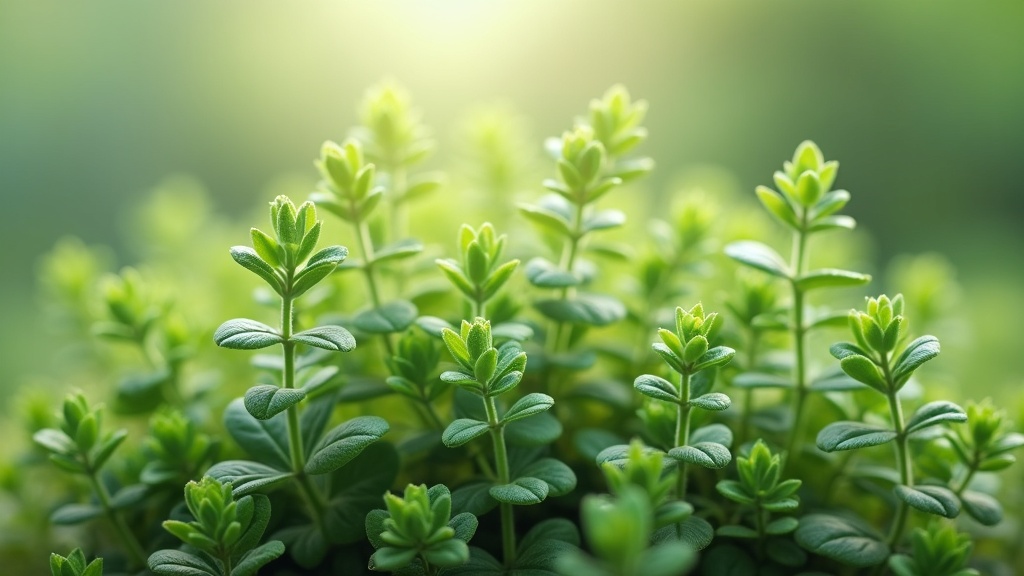
Creeping thyme is a versatile, low-growing perennial that serves as an excellent ground cover for sunny landscapes. This article explores everything you need to know about planting, caring for, and using creeping thyme in your garden, from its ideal soil conditions to its role as a lawn alternative.
Table of Contents
- What Is Creeping Thyme?
- Planting Guide for Creeping Thyme
- Care and Maintenance
- Landscape Uses and Benefits
- Frequently Asked Questions
- Creeping Thyme vs. Other Ground Covers
- Practical Tips for Success
- Final Thoughts on Creeping Thyme
- Sources & Citations
Article Snapshot: Creeping thyme is a fragrant, drought-tolerant ground cover that typically reaches 2–4 inches in height and thrives in full sun with well-drained soil. This guide covers planting, care, landscape uses, and practical tips for gardeners seeking a low-maintenance alternative to traditional lawns.
Quick Stats: Creeping Thyme
What Is Creeping Thyme?
Creeping thyme (Thymus serpyllum) is a perennial herb that forms a dense, aromatic carpet of tiny leaves and delicate flowers. Unlike its upright culinary cousin, this species stays close to the ground, typically reaching just 2–4 inches in height (John Scheepers Kitchen Garden Seeds, 2026)[1]. Its stems root along the ground as they spread, creating a living mat that suppresses weeds and tolerates light foot traffic.
Native to Europe and North Africa, creeping thyme has become a favorite among gardeners looking for a low-maintenance ground cover. As master gardener Marie Iannotti notes, “Creeping thyme is one of the best low‑maintenance ground covers you can grow; once established, it thrives on benign neglect, needing little more than sun and sharp drainage to look its best” (Marie Iannotti, 2026)[2]. This resilience makes it ideal for busy homeowners and eco-conscious landscapers alike.
The plant produces tiny, tubular flowers in shades of pink, purple, or white, depending on the cultivar. These blooms appear in late spring to early summer and attract pollinators such as bees and butterflies. The foliage itself is highly fragrant, releasing a pleasant thyme scent when brushed against or crushed. Horticulturist Alison Hancock describes it as “nature’s answer to the high‑maintenance lawn: it forms a dense, living carpet that shrugs off light foot traffic, needs far less water than turfgrass, and rewards you with flowers and fragrance” (Alison Hancock, 2026)[3].
Creeping thyme is also remarkably adaptable to poor soils. The Missouri Botanical Garden horticulture staff explains that the plant “is best grown in loose, sandy, gritty or rocky, nutrient‑poor soils with sharp drainage, where it will form an aromatic, drought‑tolerant carpet ideal for sunny borders and between stepping stones” (Missouri Botanical Garden, 2026)[4]. This adaptability makes it a go-to choice for challenging sites like slopes, rock gardens, and dry banks.
Planting Guide for Creeping Thyme
Successful planting of creeping thyme begins with site selection and soil preparation. This sun-loving plant requires at least 6 hours of direct sunlight per day for optimal flowering and vigor (ELLE Decor, 2026)[3]. Choose a location that receives full sun for the best results, though the plant can tolerate light afternoon shade in hot climates.
Soil Requirements
Creeping thyme performs best in well-drained soil with a pH between 6.0 and 8.0 (ELLE Decor, 2026)[3]. The soil should be loose, sandy, or gritty – heavy clay soils that retain moisture can lead to root rot. If your garden has dense clay, amend the planting area with coarse sand or fine gravel to improve drainage. Raised beds or slopes are excellent options because they naturally shed excess water.
As the NC State University Extension specialist notes, “Creeping thymes are extremely low‑growing and fragrant, and they really do their best in full sun and well‑drained soils; they simply don’t tolerate wet, soggy conditions for long” (NC State Extension, 2025)[5]. Ensuring sharp drainage is the single most important factor for long-term success.
Spacing and Planting
When planting creeping thyme as a ground cover, space individual plants 8–12 inches apart (Garden Design, 2026)[2]. This spacing allows the plants to fill in and create a continuous carpet within one to two growing seasons. For faster coverage, you can space plants as close as 6–12 inches (ELLE Decor, 2026)[3], but tighter spacing increases initial costs if purchasing nursery starts.
Dig a hole slightly larger than the root ball, place the plant at the same depth it was growing in its container, and backfill with native soil. Water thoroughly after planting, then allow the soil to dry out between waterings. Creeping thyme is drought-tolerant once established, but young plants need consistent moisture during their first growing season.
Propagation Methods
You can start creeping thyme from seeds, cuttings, or nursery transplants. Seeds can be sown directly outdoors in spring after the last frost, or started indoors 6–8 weeks before the last frost date. Under suitable conditions, seeds germinate in 14–21 days (Garden Design, 2026)[2]. For stem cuttings, take 2–3 inch cuttings from healthy plants in spring or early summer, remove the lower leaves, and insert them into moist potting mix. Roots typically develop within 2–3 weeks (ELLE Decor, 2026)[3].
Care and Maintenance
Once established, creeping thyme requires minimal care, making it an excellent choice for gardeners seeking a low-effort ground cover. The key maintenance tasks focus on watering, pruning, and occasional fertilization.
Watering
Creeping thyme is drought-tolerant and prefers to dry out between waterings. During the first growing season, water deeply once or twice a week to help the roots establish. After the first year, the plant can typically survive on natural rainfall alone, though supplemental watering during prolonged dry spells will keep it looking lush. Overwatering is the most common cause of failure – soggy soil leads to root rot and fungal diseases.
Pruning
Pruning creeping thyme is optional but beneficial. After the flowers fade in midsummer, you can shear the plants back by about one-third to encourage a second flush of growth and maintain a neat appearance. In late winter or early spring, remove any dead or woody stems to rejuvenate the plant. The Morton Arboretum Plant Clinic notes that creeping thyme “rarely exceeds a few inches in height yet delivers months of color and pollinator activity” (Morton Arboretum, 2026)[6].
Fertilization
Creeping thyme thrives in nutrient-poor soils and generally does not need fertilizer. In fact, over-fertilizing can lead to excessive leafy growth at the expense of flowers. If your soil is extremely poor, a light application of a balanced organic fertilizer in early spring may help, but it is rarely necessary. The plant’s natural adaptation to lean conditions is one of its greatest assets as a ground cover.
Pest and Disease Management
Creeping thyme is largely pest-free, though it can occasionally attract aphids or spider mites in dry conditions. A strong blast of water from a hose usually dislodges these pests. Fungal diseases like root rot and powdery mildew can occur if the soil stays too wet. Ensuring proper drainage and avoiding overhead watering are the best preventive measures.
Landscape Uses and Benefits
Creeping thyme offers a wide range of landscape applications, from replacing traditional lawns to softening hardscape elements. Its low-growing habit, drought tolerance, and pollinator-friendly flowers make it a versatile addition to any sunny garden.
Lawn Alternative
For homeowners looking to reduce water usage and mowing time, creeping thyme can serve as a living lawn substitute. While it cannot withstand heavy foot traffic, it tolerates occasional walking and is ideal for low-use areas like side yards, play areas, or decorative lawns. The fragrant foliage adds a sensory element that traditional grass cannot match. As Alison Hancock describes, it “needs far less water than turfgrass, and rewards you with flowers and fragrance” (Alison Hancock, 2026)[3].
Path and Stepping Stone Filler
One of the most popular uses for creeping thyme is as a filler between stepping stones or pavers. The plant’s low profile and tolerance for light foot traffic make it ideal for softening the edges of garden paths. Its aromatic leaves release their scent when stepped on, creating a pleasant sensory experience for visitors. The Morton Arboretum Plant Clinic recommends it “for gardeners looking to soften paths, fill rock crevices, or replace small patches of lawn” (Morton Arboretum, 2026)[6].
Rock Gardens and Slopes
Creeping thyme excels in rock gardens, where its trailing habit drapes over rocks and fills crevices. It is also an excellent choice for stabilizing slopes and banks, as its spreading roots help prevent soil erosion. The plant’s preference for well-drained, rocky soil makes it a natural fit for these challenging sites. For more ideas on using creeping thyme in your landscape, check out the ground cover plant selection guide on our site.
Pollinator Gardens
The flowers of creeping thyme are rich in nectar and attract bees, butterflies, and other beneficial insects. Planting a patch of creeping thyme can support local pollinator populations, which is especially important in urban and suburban areas where habitat is limited. The plant blooms for several weeks in late spring to early summer, providing a valuable food source when other flowers may be scarce.
Frequently Asked Questions
How fast does creeping thyme spread?
Creeping thyme spreads at a moderate rate, typically filling in a space within one to two growing seasons when plants are spaced 8–12 inches apart. The stems root along the ground as they grow, gradually forming a dense mat. Factors like sunlight, soil quality, and water availability influence the speed of spread. In ideal conditions – full sun and well-drained soil – the plant can expand several inches per year.
Can creeping thyme be walked on?
Yes, creeping thyme tolerates light foot traffic, making it suitable for paths and between stepping stones. However, it is not as durable as traditional turfgrass and should not be used in high-traffic areas. Occasional walking actually helps release the plant’s pleasant fragrance. For areas that see heavy daily use, consider using larger stepping stones with creeping thyme planted in the gaps rather than as a full lawn replacement.
Does creeping thyme survive winter?
Creeping thyme is hardy in USDA zones 4 through 9, meaning it can survive winter temperatures as low as -30°F (-34°C) in colder regions. In most climates, the foliage remains evergreen or semi-evergreen, though it may turn brown in harsh winters. The plant dies back to the ground in very cold areas but regrows from the roots in spring. Providing a light layer of mulch after the ground freezes can help protect the roots.
Is creeping thyme invasive?
Creeping thyme is not considered invasive in most regions. It spreads by rooting along its stems, but it grows slowly enough to be easily managed. Unlike some aggressive ground covers, creeping thyme does not send out long underground runners or produce large numbers of seeds that escape into natural areas. Regular trimming around the edges can keep it contained to the desired area. Check with your local extension office if you have concerns about specific cultivars in your region.
Creeping Thyme vs. Other Ground Covers
When choosing a ground cover for your garden, it helps to compare creeping thyme with other popular options. The table below highlights key differences between creeping thyme, traditional turfgrass, and two other common ground covers: clover and moss.
| Feature | Creeping Thyme | Turfgrass | Clover | Moss |
|---|---|---|---|---|
| Sunlight needs | Full sun (6+ hours) | Full sun to partial shade | Full sun to partial shade | Shade |
| Foot traffic tolerance | Light | Heavy | Moderate | None |
| Water needs | Low (drought-tolerant) | High | Low to moderate | High (moisture-loving) |
| Mowing required | No | Yes | Occasional | No |
| Height | 2–4 inches | 2–4 inches (mowed) | 4–8 inches | 1–2 inches |
| Pollinator value | High | Low | High | Low |
| Best use | Paths, rock gardens, low-traffic lawns | High-traffic lawns, sports fields | Lawn alternative, soil improvement | Shaded areas, woodland gardens |
Creeping thyme stands out for its combination of drought tolerance, low maintenance, and pollinator appeal. While turfgrass handles heavy use better, creeping thyme requires far less water and no mowing. For shaded areas, moss is a better choice, but it needs constant moisture and cannot be walked on. Clover offers similar benefits to creeping thyme but grows taller and may need occasional mowing.
Practical Tips for Success
To get the most out of your creeping thyme ground cover, follow these actionable tips based on expert advice and real-world experience.
- Prepare the soil well before planting: Remove all weeds and grass from the planting area, then loosen the soil to a depth of 6–8 inches. Mix in coarse sand or fine gravel if your soil is heavy clay. Good drainage is the foundation of a healthy creeping thyme patch.
- Water wisely during establishment: For the first few weeks after planting, water deeply once or twice a week to encourage deep root growth. After that, reduce watering frequency to allow the soil to dry out between waterings. Overwatering is the most common mistake new growers make.
- Mulch between plants initially: A thin layer of gravel or crushed stone around newly planted creeping thyme helps suppress weeds while the plants fill in. Avoid organic mulches like bark, which retain too much moisture and can lead to rot.
- Shear after flowering for a tidy look: Use garden shears or a string trimmer to cut back the plants by about one-third after the flowers fade. This encourages a second flush of growth and keeps the carpet dense and uniform.
- Divide and replant every 3–4 years: Over time, the center of the patch may become woody or thin out. Dig up sections in early spring or fall, divide them, and replant the healthy outer portions to rejuvenate the ground cover.
For additional guidance on maintaining a healthy garden, explore our perennial garden care tips to keep all your plants thriving throughout the seasons.
Final Thoughts on Creeping Thyme
Creeping thyme is a remarkable plant that combines beauty, fragrance, and practicality in a low-maintenance package. Whether you are looking to replace a thirsty lawn, soften a stone path, or add color to a rock garden, this hardy ground cover delivers reliable results with minimal effort. Its drought tolerance, pollinator appeal, and ability to thrive in poor soils make it an environmentally friendly choice for modern gardens. Start with a small patch and see how creeping thyme transforms your outdoor space – then explore more articles on superlewisai to continue your gardening journey.
Sources & Citations
- Creeping Thyme Seeds. John Scheepers Kitchen Garden Seeds.
https://www.kitchengardenseeds.com/creeping-thyme.html - Creeping Thyme: A Versatile Groundcover for Paths and Lawns. Garden Design.
https://www.gardendesign.com/perennials/creeping-thyme.html - Everything You Need to Know About Creeping Thyme. ELLE Decor.
https://www.elledecor.com/life-culture/a65491428/creeping-thyme-lawn/ - Thymus serpyllum (wild thyme, creeping thyme) Plant Finder Profile. Missouri Botanical Garden.
https://www.missouribotanicalgarden.org/PlantFinder/PlantFinderDetails.aspx?kempercode=a294 - Thyme as a Groundcover. NC State Extension (video).
https://www.youtube.com/watch?v=d1l52mt5YPo - Creeping Thyme Plant Advice. The Morton Arboretum.
https://mortonarb.org/plant-and-protect/trees-and-plants/creeping-thyme/
For more about Thyme creeping, see Thyme Creeping.