Machine Learning Ml – A Comprehensive Guide
Machine Learning Ml – A Comprehensive Guide
Introduction
Machine learning (ML) is a subset of artificial intelligence that enables systems to learn from data, identify patterns, and make decisions with minimal human intervention. Its significance has rapidly grown in various industries, transforming how businesses operate and how we interact with technology. This comprehensive guide delves into the essentials of machine learning, exploring its definition, benefits, applications, and future trends. As we navigate through this dynamic field, we will also provide insights on choosing the right machine learning solutions and best practices to ensure success. Understanding machine learning is not just for tech enthusiasts; it has become vital for professionals across all sectors.

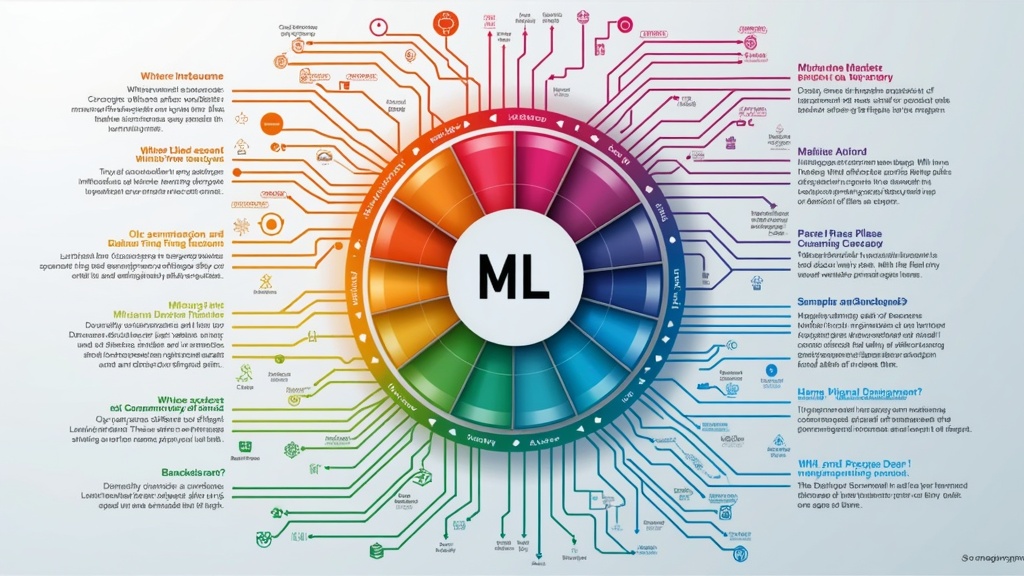

Understanding machine learning ml
At its core, machine learning is about creating algorithms that allow computers to process vast amounts of data and learn from it. Unlike traditional programming, where specific rules are set, ML algorithms improve over time as they are exposed to more data. There are three primary types of machine learning: supervised learning, unsupervised learning, and reinforcement learning.
In supervised learning, models are trained on labeled data, meaning the outcome is known. Unsupervised learning, on the other hand, involves training algorithms on data without labeled outcomes to identify hidden patterns. Reinforcement learning is a type of ML where an agent learns to make decisions by receiving rewards or penalties based on its actions. Each type plays a crucial role in different applications of machine learning, showcasing its versatility and potential.
Key Benefits of machine learning ml
Machine learning offers numerous benefits that can enhance business operations and improve decision-making processes. One of its most significant advantages is automation. By automating repetitive tasks, organizations can save time and resources, allowing employees to focus on more strategic initiatives.
Additionally, machine learning enhances predictive analytics. Businesses can harness ML algorithms to forecast trends, customer behaviors, and market demands, providing them with a competitive edge. Furthermore, ML improves accuracy and efficiency. As models learn from more data, they become better at making predictions, which leads to more informed decisions.
- Automation: Reduces manual work and increases productivity.
- Predictive analytics: Helps in forecasting and strategic planning.
- Improved accuracy: Enhances decision-making quality.
Common Applications
Machine learning is applied across various sectors, demonstrating its versatility. In finance, ML is used for fraud detection by analyzing transaction patterns to identify anomalies. In healthcare, it assists in diagnosing diseases and personalizing treatment plans based on patient data.
Retail businesses utilize machine learning for inventory management and customer segmentation. By analyzing purchasing behavior, they can tailor marketing strategies to specific customer groups. Additionally, in the realm of search engine optimization, understanding the search engine marketing process can be enhanced through machine learning algorithms that analyze user behavior and optimize ad placements.
How to Choose the Right machine learning ml
Selecting the appropriate machine learning solution for your organization can be challenging. Start by assessing your specific needs and objectives. Determine the type of data you have and the outcomes you wish to achieve. This understanding will guide you in choosing between supervised, unsupervised, or reinforcement learning approaches.
Next, consider scalability. Your chosen solution should be able to handle increasing amounts of data as your organization grows. Furthermore, evaluate the tools and platforms available in the market. Some popular machine learning frameworks include TensorFlow, PyTorch, and Scikit-Learn, each offering unique features and capabilities.
Lastly, ensure that you have access to skilled professionals who can implement and manage ML systems effectively. Investing in training and development can also enhance your team’s capabilities in leveraging machine learning technologies.
Best Practices and Tips
Implementing machine learning successfully requires adherence to best practices. First, always start with a clear problem statement. Understand what you are trying to solve with machine learning. This clarity will guide your data collection and modeling efforts.
Secondly, ensure data quality. High-quality, relevant data is crucial for effective machine learning models. Clean and pre-process your data to eliminate inconsistencies and errors.
Moreover, continuously evaluate and update your models. Machine learning is an iterative process, and models can become outdated as new data emerges. Regularly retraining your models will help maintain their accuracy and relevance.
- Define clear objectives: Start with a specific problem statement.
- Ensure data quality: Clean and preprocess your data.
- Regularly update models: Keep models relevant with new data.
Common Mistakes to Avoid
While implementing machine learning, there are common pitfalls to be aware of. One major mistake is underestimating the importance of data. Poor data quality can lead to inaccurate models and misguided decisions. Always prioritize data collection and cleaning.
Another frequent error is neglecting to validate models. Relying solely on training data can lead to overfitting, where a model performs well on training data but poorly on unseen data. Always validate your models with a separate test dataset.
Additionally, failing to involve domain experts can hinder the effectiveness of machine learning projects. Collaboration between data scientists and industry experts ensures that models are aligned with real-world applications and business needs.
Future Trends
The field of machine learning is rapidly evolving, and several trends are emerging that will shape its future. One significant trend is the increasing use of explainable AI (XAI). As ML algorithms become more complex, understanding their decision-making processes is essential for building trust and transparency.
Another notable trend is the integration of machine learning with other technologies, such as the Internet of Things (IoT) and blockchain. This convergence is expected to create new opportunities for data analysis and enhance operational efficiencies.
Moreover, advancements in natural language processing (NLP) are transforming how we interact with machines, making it easier to communicate with AI systems. This trend will likely lead to more intuitive user experiences in various applications.
Conclusion
Machine learning is revolutionizing industries by enabling intelligent decision-making and automation. Understanding its principles, benefits, and applications is crucial for businesses looking to harness its potential. By following best practices and avoiding common mistakes, organizations can successfully implement machine learning solutions tailored to their needs. As we look to the future, staying informed about emerging trends will be vital for leveraging machine learning effectively.