Machine-Learning – A Comprehensive Guide
Machine-Learning – A Comprehensive Guide
Introduction
Machine-learning is a transformative technology that has revolutionized how we analyze data and make predictions. By enabling systems to learn from data without explicit programming, machine-learning empowers businesses and individuals to harness the power of artificial intelligence (AI). In recent years, its applications have expanded across various industries, enhancing decision-making processes, optimizing operations, and providing personalized experiences. This comprehensive guide will explore the nuances of machine-learning, its benefits, common applications, and best practices to implement it effectively.

Understanding machine-learning
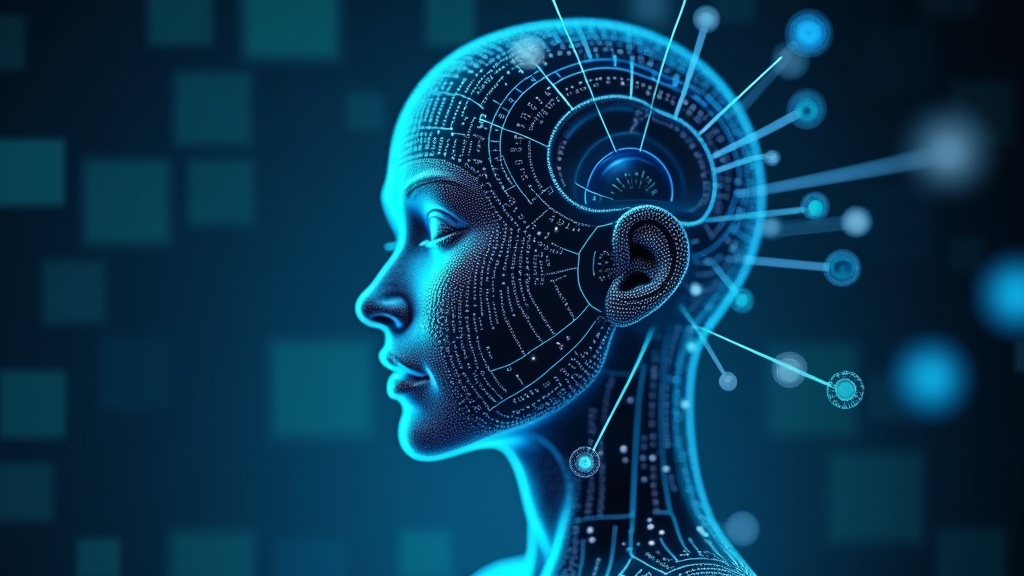
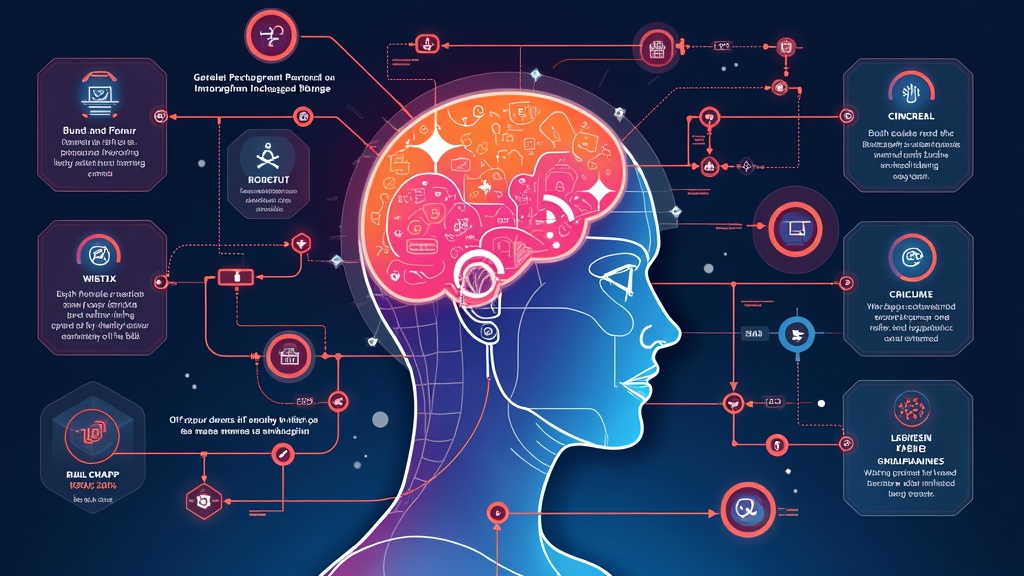
At its core, machine-learning is a subset of artificial intelligence that focuses on the development of algorithms that allow computers to learn from and make predictions based on data. Unlike traditional programming, where rules and logic are explicitly defined, machine-learning involves training models on large datasets to identify patterns and make decisions. This approach enables machines to improve their performance over time as they are exposed to more data.
Machine-learning can be broadly categorized into three types: supervised learning, unsupervised learning, and reinforcement learning. In supervised learning, models are trained on labeled data, while unsupervised learning deals with unlabeled data to uncover hidden patterns. Reinforcement learning, on the other hand, involves training agents to make decisions through trial and error, often seen in game-playing AI.
Key Benefits of machine-learning
The advantages of machine-learning are numerous and impactful, making it a valuable tool for businesses and organizations. Firstly, machine-learning enhances efficiency by automating routine tasks, allowing teams to focus on more strategic initiatives. Secondly, it provides deeper insights by analyzing vast amounts of data quickly, uncovering trends that may not be immediately apparent.
Additionally, machine-learning improves accuracy in predictions and decision-making processes. Systems trained on historical data can forecast outcomes with remarkable precision, reducing risks and enhancing overall performance. Finally, by enabling personalized experiences, machine-learning fosters customer satisfaction and loyalty, as businesses can tailor their offerings to meet individual preferences.
Common Applications
Machine-learning is utilized across a myriad of industries, each benefiting uniquely from its capabilities. In healthcare, for example, machine-learning algorithms assist in diagnosing diseases, predicting patient outcomes, and personalizing treatment plans. In finance, they are employed for fraud detection, credit scoring, and algorithmic trading.
Retail businesses leverage machine-learning for inventory management, demand forecasting, and personalized marketing strategies. The technology also plays a crucial role in autonomous vehicles, where it processes real-time data from sensors to make driving decisions. Furthermore, machine-learning is instrumental in enhancing user experiences on digital platforms, such as personalized content recommendations on streaming services.
How to Choose the Right machine-learning
Choosing the right machine-learning approach requires careful consideration of several factors. Firstly, identify the specific problem you are trying to solve. Understanding the nature of your data and the desired outcomes will guide your decision-making process. For instance, if you have labeled data and need predictions, supervised learning may be the best fit.
Another factor to consider is the volume and quality of your data. High-quality datasets lead to more accurate models, so ensure your data is clean and relevant. Additionally, assess the resources available for implementation, including computational power and expertise. Collaborating with data scientists or machine-learning experts can significantly enhance the success of your project.
Best Practices and Tips
Implementing machine-learning effectively requires adherence to best practices. Firstly, start with a clear objective and define measurable goals. This clarity will help in evaluating the success of your machine-learning model.
Secondly, invest time in data preparation, as the quality of your input data directly impacts model performance. Explore techniques like normalization, feature selection, and data augmentation to enhance your datasets.
Moreover, employ cross-validation to assess the robustness of your model and avoid overfitting. Finally, keep up with the latest advancements in machine-learning technologies and techniques, as this field is constantly evolving and offers new tools and methodologies that could benefit your projects.
Common Mistakes to Avoid
While venturing into machine-learning, several pitfalls can hinder success. One common mistake is neglecting the importance of data quality. Poor data can lead to inaccurate models, so ensure thorough data cleaning and preprocessing.
Another frequent error is overfitting, where a model performs exceptionally well on training data but fails to generalize to new data. To mitigate this, utilize techniques like regularization and cross-validation.
Additionally, many practitioners underestimate the importance of domain knowledge. Understanding the context of the data and the problem at hand is crucial for building effective models. Lastly, avoid rushing to production without adequate testing and validation, as this can lead to costly mistakes and setbacks.
Future Trends
The future of machine-learning is bright, with several trends poised to shape its development. One significant trend is the rise of explainable AI, which aims to make machine-learning models more transparent and understandable. As organizations increasingly rely on AI for decision-making, the demand for interpretable models will grow.
Another trend is the integration of machine-learning with other technologies, such as edge computing and the Internet of Things (IoT). This convergence will enable real-time data processing and decision-making, enhancing the capabilities of smart devices.
Furthermore, the accessibility of machine-learning tools is expanding, allowing more organizations to incorporate AI into their operations. Finally, ethical considerations and regulations surrounding AI will become more prominent, prompting the development of frameworks to ensure responsible use of machine-learning technologies.
Conclusion
Machine-learning is an essential component of modern technology, offering unparalleled benefits across various sectors. By understanding its fundamentals, recognizing its applications, and adhering to best practices, businesses can leverage machine-learning to drive innovation and efficiency. As the landscape evolves, staying informed about emerging trends and avoiding common pitfalls will be vital for success in this dynamic field. For those looking to improve their higher search engine rankings or enhance their website search engine ranking, incorporating machine-learning techniques could be a game changer.